Comprehensive Guide to Brake Pad Replacement: Costs and Best Practices — China Factory-Direct Guide
A practical B2B guide to brake pad replacement: when to replace, material choices, inspection and installation best practices, and commercial sourcing guidance including China factory-direct procurement considerations.
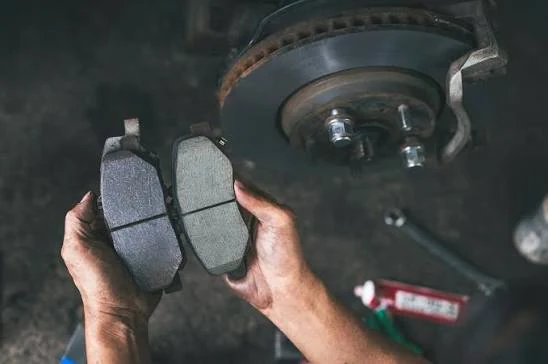
Quick Summary: Replace brake pads when thickness, noise, vibration, or braking performance degrade; inspect rotors and hardware at the same time and replace rotors if scored, warped, or below minimum thickness specified by the vehicle manufacturer. For bulk fleet procurement and commercial distribution, sourcing factory-direct container shipments from certified Chinese manufacturers provides 30–40% landed cost savings with full export compliance.
What is brake pad replacement and why it matters
Brake pad replacement is the removal and fitting of friction material assemblies that press against rotors (discs) to slow a vehicle. Correct replacement restores designed stopping distance, reduces noise and vibration, and prevents damage to rotors and calipers. For commercial buyers, consistent pad specification across a fleet reduces inventory complexity and workshop downtime.
When to replace brake pads: inspection cues and service intervals
Replace pads when at least one of these conditions is met: visible wear below the minimum service thickness, persistent noise (squeal or grinding), vibration under braking, braking performance loss, or when routine maintenance intervals and vehicle manufacturer guidance indicate replacement. Always inspect rotors, calipers, slide pins, and hardware at the same service event.
Brake pads and rotors replacement cost: buyer-focused guidance
Costs for a pad replacement event depend on parts selection (economy vs premium ceramic or semi-metallic), whether rotors are replaced or resurfaced, labor rates, and supply-chain terms. For procurement teams, consider total cost of ownership: pad life, rotor wear, warranty coverage, and spare-parts logistics. For multiple-vehicle or fleet programs, request supplier quotes that separate per-axle part costs, recommended rotor service actions, and recommended replacement intervals under your duty cycle.
Practical cost drivers
- Material choice (organic, semi-metallic, ceramic) — affects wear rate, noise, and heat handling.
- Rotor condition and minimum thickness — rotor replacement increases the bill but can prevent rework.
- Labor and workshop process — variability between service centers can exceed the parts cost in some markets.
- Warranty, testing and certification — certified components sometimes command a premium but reduce compliance risk.
Choosing pad materials and applications
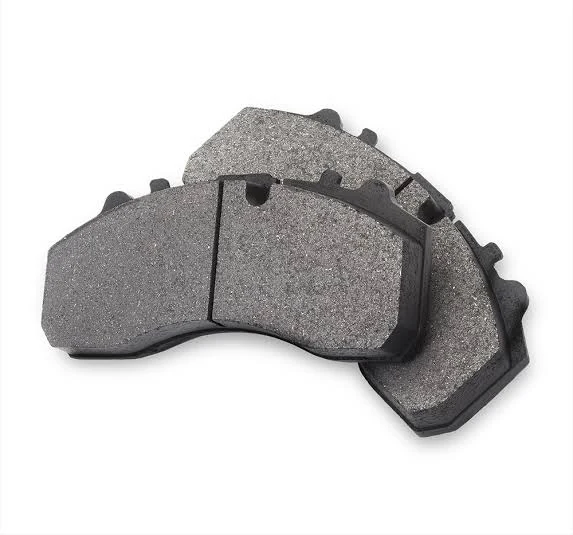
Material selection should be matched to vehicle type and operating conditions. Semi-metallic pads offer high heat tolerance and are common for heavier duty; ceramic pads typically provide quieter operation and lower dust for light passenger vehicles; organic (non-asbestos organic) pads are quieter but may wear faster under heavy loads. For heavy-duty, municipal, or high-mileage fleets, prioritize thermal stability and supplier-provided endurance testing.
Installation best practices and workshop QA
Good installation prevents premature failure: clean mating surfaces, measure rotor thickness and runout, fit new hardware and shims, use correct torque values, and perform a controlled bedding-in procedure. Include a checklist in the work order to confirm torque, pad thickness, rotor measurement, caliper slide lubrication, and road-test results.
Quality control & supplier evaluation
For B2B purchase decisions require:
- Material declarations and friction-grade data from the supplier.
- Batch traceability and production records for critical components.
- Third-party test reports where applicable (e.g., braking performance, endurance tests). Ask for full test protocols and results rather than summary statements.
- Warranty terms, failure-rate reporting and RMA procedures tailored to vehicle duty cycle.
Comparison: buyer evaluation criteria for brake pads
| Evaluation criterion | What to request or expect | Buyer action |
|---|---|---|
| Material type | Specify ceramic, semi-metallic or organic; request composition and wear characteristics from supplier. | Select material based on vehicle duty cycle and request sample wear reports. |
| Friction performance | Supplier provides friction coefficient ranges and test protocol; request test reports under representative temperatures. | Compare test protocols and require identical test methods across bidders. |
| Durability / wear rate | Supplier-supplied endurance or mileage-based wear estimates under defined conditions; production batch traceability. | Request field trial data or warranty terms that align with expected mileage. |
| Noise & NVH | Qualitative classification (low/medium/high) and available antidust/noise shim solutions. | Ask for noise-level data or in-service references from customers with similar duty cycles. |
| Certification & testing | List of available test reports (e.g., lab braking tests, material safety data sheets); ask supplier to confirm which national/regional standards they can meet. | Require copies of test reports and lab accreditation details before awarding contracts. |
| Pricing & MOQ | Unit price tiers by MOQ and mixed-container options; request landed-cost estimates including export packaging. | Request formal quotations with volume breakpoints and lead times for mixed loads. |
Sourcing brake pad replacement from China: Quality Standards, MOQ & Container Logistics
When sourcing factory-direct, confirm which regulatory or test standards the supplier provides. Buyers commonly request conformity evidence for national or regional safety standards applicable to their markets; suppliers should be able to provide test reports and material documentation. For U.S. distribution, confirm that parts meet applicable federal and state regulations and obtain any necessary component test reports.
MOQ and container options vary by supplier. Many manufacturers offer mixed-container loading to reduce inventory variety while achieving container MOQ. Ask suppliers for explicit mixed-container policies, minimum order quantities per SKU, palletization details, and sample allowances.
Export lead times depend on factory capacity, current orderbook and documentation readiness; typical export lead times can range from a few weeks to multiple months for large orders — obtain a confirmed lead time in the quotation. Confirm port terms and FOB or EXW INCOTERMS before signing: suppliers commonly cite Qingdao or Ningbo as example export ports; confirm the actual port, routing options and transit times with forwarders and the seller.
Documentation to request from a China supplier includes product specification sheets, material declarations, test reports, packing lists, commercial invoices, and export compliance documents. For regulated markets, request copies of third-party lab reports and the lab’s accreditation.
Procurement checklist for commercial buyers
- Define vehicle fleet duty cycle and expected annual mileage per axle.
- Specify material preference and any noise or dust constraints.
- Request complete technical datasheets, test reports and batch traceability.
- Compare total cost of ownership: part cost, expected pad life, rotor replacement rate, warranty and logistics.
- Confirm MOQ, mixed-container options, lead times and exact port/INCOTERM in writing.
Conclusion and next steps
Brake pad replacement is both a technical and commercial decision. For fleets and distributors, align material choice and supplier testing to operating conditions, and require traceable test evidence and clear logistics terms. Start vendor qualification with sample tests and a small mixed-container pilot before scaling to full fleet inventory.
Discuss your brake parts program
Share your OE references, quantities, destination market and packaging requirements for a factory review.
Request a quotation
Connect with our export team
Scan or use the channels below for product and quotation support.