A Comprehensive Guide to Brake Pads Replacement: Cost and Options — China Factory-Direct Guide
Clear, practical guidance for commercial buyers on brake pads replacement: steps, material types, inspection, typical replacement cost ranges, and China factory-direct procurement considerations for fleets and distributors.
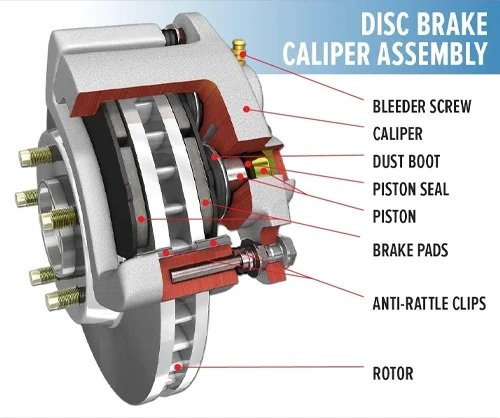
Quick Summary: Brake pads replacement is typically required when pad thickness or braking performance falls below manufacturer limits many commercial fleets replace pads every 30 000 70 000 miles depending on vehicle type and duty cycle Cost depends on pad material and labor see detailed cost guidance below. For bulk fleet procurement and commercial distribution, sourcing factory-direct container shipments from certified Chinese manufacturers provides 30–40% landed cost savings with full export compliance.
What counts as brake pads replacement and when to schedule it
Brake pads replacement refers to removing worn friction material and installing new pads matched to the caliper, rotor thickness and vehicle application. For safety and predictable stopping distance, replace pads when thickness reaches the vehicle maker’s minimum specification or if pad wear is uneven, contaminated by oil/grease, or shows glazed surfaces. Commercial operators should use scheduled inspections (visual and measurement) and condition-based triggers (noise, vibration, extended stopping distance) to plan replacements.
Brake pads replacement cost: parts, labor and total ownership
For budgeting, separate the components of replacement cost:
- Parts (pads only): aftermarket retail pad sets commonly range from about $30 to $120 per axle depending on compound and vehicle fitment. Fleet-volume prices can be materially lower—ask suppliers for container-volume quotations.
- Labor and shop overhead: professional installation in the U.S. often adds $100–$300 per axle depending on vehicle complexity and local labor rates.
- Total vehicle downtime and rework risks: factor in diagnostics, rotor resurfacing or replacement, and any sensor or hardware changes.
For fleet budgeting, use per-axle lifecycle costs (pads + expected rotor work + labor) rather than pad unit price alone. Replacement frequency will be driven by vehicle duty cycle, driver behavior, and pad compound.
Material options and trade-offs
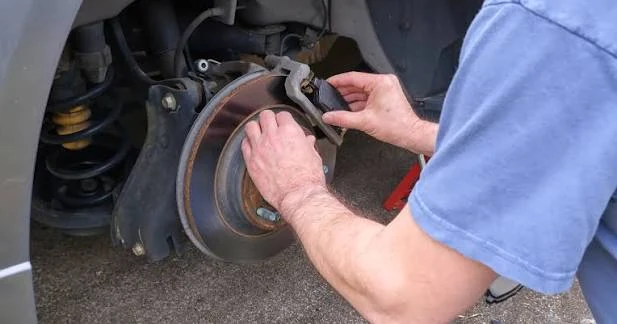
Common pad types offered for commercial and passenger applications are organic/NAO (non-asbestos organic), ceramic, semi-metallic, and low-metallic blends. Key trade-offs:
- Ceramic: quieter, produce less dust, stable friction across temperatures; typically preferred for light-duty passenger fleets where comfort and rotor preservation matter.
- Semi-metallic: good heat transfer, durable under heavy loads; often used where high thermal capacity is required (heavy city duty or towing).
- Organic / NAO: lower cost and quiet operation but higher wear and more dust; appropriate in lower-duty or cost-sensitive applications.
Step-by-step buyer checklist for safe replacement
- Confirm exact vehicle make/model/year and caliper type; use VIN-level fitment for high-volume orders to avoid returns.
- Inspect rotors: measure runout and thickness; resurface only within supplier and OEM limits or plan rotor replacement.
- Specify pad compound, backing plate finish, shims and anti-squeal hardware as part of the purchase order.
- Require friction coefficient and wear test reports from suppliers for the specific pad compound and application.
- Document warranty terms, shelf life for bonding adhesives, packaging and labeling for aftermarket or OEM distribution.
Comparison: pad types and buyer evaluation criteria
| Criteria | Ceramic | Semi-metallic | Organic / NAO |
|---|---|---|---|
| Typical application | Light-duty passenger, comfort-focused fleets | Heavy-duty stop-and-go, towing, higher heat applications | Cost-sensitive, low-load applications |
| Noise & dust | Low dust, quiet | Moderate dust, can be noisier | Higher dust, typically quiet but more wear |
| Thermal capacity | Moderate | High | Low to moderate |
| Wear on rotors | Gentler on rotors | Can increase rotor wear under some duty cycles | Higher rotor wear in heavy use |
| Typical retail price per axle | $40–$120 (retail); ask supplier for bulk pricing | $35–$110 (retail); ask supplier for bulk pricing | $30–$80 (retail); ask supplier for bulk pricing |
| Supplier quote inputs | Vehicle fitment, compound spec, friction test reports | Same plus high-temp fade data | Material sheet and wear rate estimates |
Inspection and quality control for incoming shipments
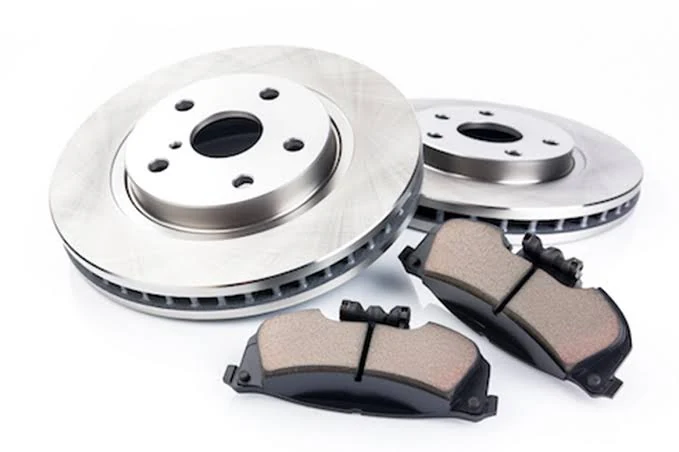
For B2B buyers importing pads, require: batch traceability, friction coefficient reports for the lot, hardness and dimensional checks, packaging integrity, and a random-sample brake dynamometer test report when feasible. Include acceptable non-conformance criteria in the purchase contract and require corrective action timelines for defects. Arrange pre-shipment inspection (PSI) by a third-party inspection firm for initial orders or new tooling runs.
Sourcing brake pads replacement from China: Quality Standards, MOQ & Container Logistics
Typical documentation and procurement items to request from Chinese suppliers:
- Quality system certificates: ISO 9001 and, where applicable for automotive tier suppliers, IATF 16949.
- Market-specific test reports: ECE R90 test reports are common for replacement pads supplied into European markets; for U.S. markets, request evidence of component testing relevant to fleet operations and full material disclosure (SDS/MSDS).
- Material and performance test results: friction coefficient vs. temperature, wear rates, and end-of-line dimensional inspection reports.
- MOQ and mixed-container options: MOQs vary by supplier and part complexity—expect smaller MOQs for common SKU sets and higher MOQs where dedicated tooling is required. Many factories offer mixed-container (consolidated pallet) options to reduce per-SKU MOQ exposure; discuss LCL or FCL mixed-pallet solutions early in negotiations.
- Export lead times and port terms: lead times depend on inventory, tooling status and certification needs; typical production lead times for established SKUs range from a few weeks to several months for new tooling. Confirm lead times with the supplier; common Chinese export ports used by many suppliers include Qingdao and Ningbo as examples to confirm with your freight forwarder and supplier, but always verify the actual port and Incoterms on the quotation.
Commercial terms and risk management
Negotiate clear Incoterms, inspection gates, packaging for sea transport, and traceable lot numbering. For first orders, consider a smaller test container or third-party verification to validate performance claims before committing to full fleet-volume buys.
Conclusion and next steps for commercial buyers
Plan brake pads replacement around measured pad thickness, objective friction data and duty-cycle expectations rather than calendar intervals alone. For fleet-scale procurement, request friction test results, sample inspection rights and detailed packing and traceability. Begin supplier discussions with sample orders and pre-shipment inspection clauses, then scale to container-volume purchasing once quality and fitment are confirmed.
If you need assistance obtaining multiple quotations or verifying supplier documentation for container orders, contact China Brake Factory's procurement desk to request a vetted supplier list and to compare bulk-cost scenarios.
Discuss your brake parts program
Share your OE references, quantities, destination market and packaging requirements for a factory review.
Request a quotation
Connect with our export team
Scan or use the channels below for product and quotation support.