Understanding Brake Pad Materials: Ceramic vs Semi-Metallic — China Factory-Direct Guide
Technical guide for fleet and commercial buyers comparing ceramic brake pads vs semi-metallic: material differences, performance trade-offs, testing and supplier evaluation, and China factory-direct procurement considerations. — China Factory-Direct Guide
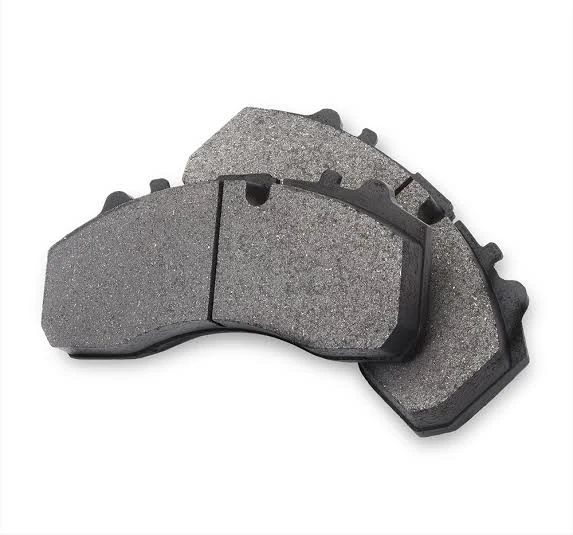
Quick Summary: Ceramic brake pads deliver quieter operation, lower visible dust, and stable daily-driver performance; semi-metallic pads typically offer stronger heat transfer and better performance under heavy loads or towing but produce more noise and dust. For bulk fleet procurement and commercial distribution, sourcing factory-direct container shipments from certified Chinese manufacturers provides 30–40% landed cost savings with full export compliance.
How ceramic and semi-metallic brake pads differ
At the most practical level, the two families are distinguished by their friction material composition and typical use profiles. Ceramic pads are built from ceramic fibers and fillers bonded with resin; semi‑metallic pads contain a higher percentage of metal (steel, copper, or iron filings) mixed with friction agents. These differences translate into predictable trade-offs that fleet and commercial buyers should weigh when specifying parts for mixed-use fleets.
Material composition and manufacturing
Ceramic formulations emphasize ceramic fibers and inorganic fillers to create a stable friction layer. Semi‑metallic formulations integrate metal particles to improve thermal conductivity and initial bite. Both types require backing plates, shims, and adhesive/bonding processes; quality control of the backing plate steel grade, bonding method and wear layer thickness are essential supplier checkpoints.
Performance characteristics — practical summary
- Noise: Ceramic pads are generally quieter in everyday driving. Semi‑metallic pads tend to be louder under cold or light braking conditions.
- Brake dust: Ceramic pads normally produce lighter-colored, finer dust which is less visible on wheels. Semi‑metallic pads often generate darker, heavier dust.
- Thermal behavior & fade: Semi‑metallic pads typically transfer heat better and can be more resistant to fade under sustained heavy use (towing, repeated downhill braking), while ceramics provide consistent feel under normal urban/highway use.
- Rotor wear: Semi‑metallic materials can be more abrasive to rotors over time; ceramic materials are often gentler on rotor surfaces.
- Cold bite and pedal feel: Semi‑metallic pads often offer stronger initial bite at lower temperatures; ceramic pads provide predictable modulation and generally consistent pedal feel.
Comparison table: ceramic brake pads vs semi metallic — buyer evaluation criteria
| Criterion | Ceramic Brake Pads | Semi‑Metallic Brake Pads | Buyer action / supplier data to request |
|---|---|---|---|
| Noise | Typically lower noise and reduced squeal in day-to-day driving. | Higher tendency for squeal and grinding sounds, especially when cold. | Request NVH test reports, shim specifications, and sample road‑noise recordings. |
| Brake dust | Finer, lighter-colored dust that shows less on wheels. | Darker, heavier dust that may require more frequent wheel cleaning. | Ask for lab abrasion/dust tests and visual dust samples from supplier. |
| Heat management & fade resistance | Stable at normal operating temperatures; check suitability for high-load cycles. | Better heat transfer and resistance to fade under repeated heavy braking. | Request dynamometer fade charts and Tmax recommendations for intended duty cycle. |
| Rotor wear | Generally gentler on rotors. | Can be more abrasive; may increase rotor replacement frequency. | Supplier wear-rate data and comparative rotor surface analysis are recommended. |
| Cost | Often similar or slightly higher per pair for premium ceramic formulations. | Often cost‑effective for heavy‑duty or value-focused applications. | Obtain FOB/EXW quotes and total cost of ownership (pad + rotor replacement intervals). |
| Ideal applications | Urban and highway fleet vehicles, passenger-oriented service fleets. | Towing, delivery vans, mixed-duty fleets and vehicles with frequent high‑load stops. | Match material to duty cycle; pilot test both materials where duty cycles overlap. |
Testing, validation and field verification
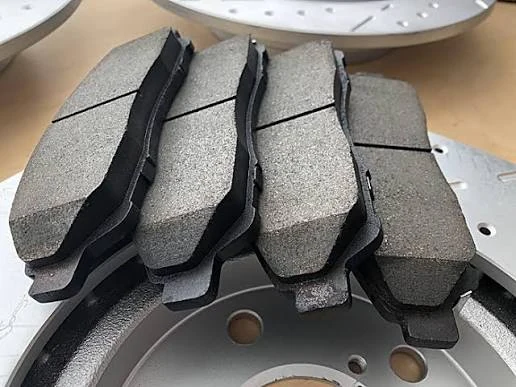
Buyers should require both laboratory and fleet validation. Typical items to request from suppliers include dynamometer friction and fade tests, material composition reports, bond-shear and thermal cycling tests, and representative field trial data in similar duty cycles. For replacement and aftermarket parts, ask for traceable batch numbers and a sample approval process that includes installed inspections and rotor wear measurements after defined mileage.
Sourcing ceramic brake pads vs semi metallic from China: Quality Standards, MOQ & Container Logistics
When procuring from China for US distribution, request documented evidence of the supplier's quality and regulatory controls. Common documents and certifications buyers ask for include ISO 9001 or IATF 16949 (automotive quality systems), material composition declarations, and independent test reports demonstrating friction, wear and thermal behavior. For cross-border sales, include chemical compliance documentation such as RoHS/REACH declarations when applicable. Confirm whether the product is tested to ECE R90 (where applicable for replacement pads) and request any FMVSS/DOT-related test evidence relevant to the intended market; confirm the specific FMVSS references with the supplier.
MOQ: Typical MOQs vary by factory and tooling needs; many suppliers can supply mixed-SKU containers to accommodate multiple part numbers. Common buyer practice is to request written MOQ terms per SKU and mixed-container options for 20' and 40' shipments. Lead time: production lead time depends on certification, tooling and order size—buyers should plan typical lead times from order confirmation to export packing in a range commonly measured in multiple weeks; confirm exact timing with the supplier. Export and port terms: negotiate clear Incoterms (FOB, CIF, DAP) and confirm the named load port—Qingdao or Ningbo are common export terminals used by Chinese brake component factories but confirm the supplier's nominated port. Ensure export documentation (commercial invoice, packing list, bill of lading, test reports, and export licenses if applicable) is complete before shipping.
Supplier evaluation checklist for buyers
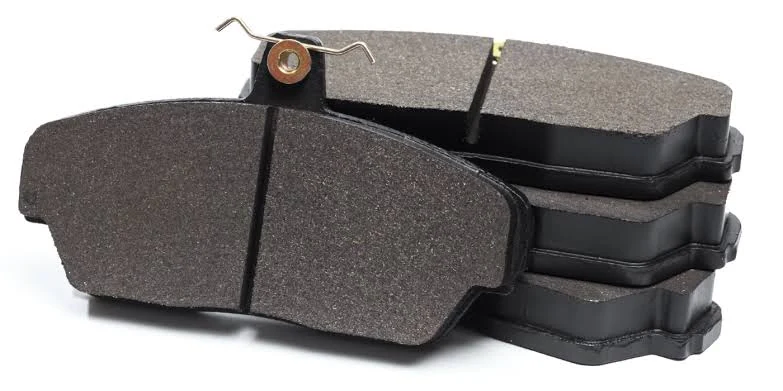
- Request product samples and perform installed braking trials on representative vehicles.
- Obtain dynamometer and lab test reports covering fade, friction stability and wear.
- Verify quality system certification (ISO 9001 / IATF 16949) and internal traceability processes.
- Confirm raw material declarations, bonding process details, backing plate steel grade and anti‑noise/shim configuration.
- Ask for packaging, labeling, HS code and export compliance documentation as part of contract.
Conclusion and next steps
Ceramic and semi‑metallic brake pads each offer advantages: ceramics for quieter, lower‑dust daily operation and semi‑metallic for stronger heat handling and heavy‑duty duty cycles. For fleet procurement, evaluate pad choice against vehicle duty, expected mileage, and total cost of ownership (including rotor wear). Start commercial conversations with suppliers by requesting samples, lab test data and clear trade terms. Pilot a controlled fleet trial to validate life‑cycle costs before full conversion.
Discuss your brake parts program
Share your OE references, quantities, destination market and packaging requirements for a factory review.
Request a quotation
Connect with our export team
Scan or use the channels below for product and quotation support.