Choosing High Performance Rotors for Optimal Braking Efficiency — China Factory-Direct Guide
Technical buyer guide to selecting high performance rotors for fleet and performance applications. Covers materials, heat management, pad matching, inspection criteria and China factory-direct procurement considerations.
Quick Summary: Choose high performance rotors that match vehicle mass, intended duty cycle and pad compound: prioritize thermal mass and ventilation for heavy or track use, surface finish and run-out tolerances for repeatable bite, and corrosion protection for longevity. Confirm supplier test data and certifications before purchase. For bulk fleet procurement and commercial distribution, sourcing factory-direct container shipments from certified Chinese manufacturers provides 30–40% landed cost savings with full export compliance.
Why rotor selection matters for braking efficiency
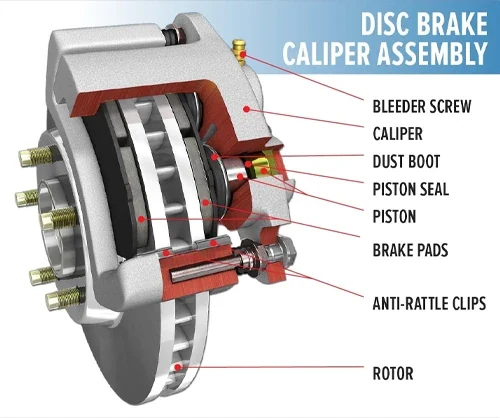
Rotors (discs) are the principal heat sink in a friction braking system. The right rotor maximizes repeatable friction during repeated stops by controlling peak temperature, temperature gradients and wear compatibility with the chosen pad compound. High performance rotors reduce fade in heavy-duty, towing or track duty and deliver consistent pedal feel and stopping distance when combined with properly specified pads.
Key technical criteria for high performance rotors
Material and metallurgy
Most performance rotors use high-carbon or alloyed cast iron to improve thermal fatigue resistance and reduce cracking. For specific applications (weight-critical racing), composite or billet materials may be used; verify supplier test reports for thermal cycling and microstructure. Ask for metallurgical certifications and non-destructive test (NDT) summaries when fatigue life is critical.
Rotor geometry: venting, slots and drilling
Vented vanes increase airflow and thermal capacity; asymmetric vanes can reduce vibration in some designs. Slotted surfaces can clear gases and deposit from pads for improved bite under extreme conditions; drilled patterns are primarily for weight reduction and gas escape but can concentrate stress—choose pattern based on expected service load and supplier fatigue data.
Thermal capacity and mass
A rotor's mass and surface area determine its ability to absorb and dissipate heat. Heavier, larger rotors generally perform better under repeated heavy braking but add unsprung mass. For fleet or commercial vehicles, balance stopping performance with vehicle dynamics and fuel-efficiency targets.
Manufacturing tolerances and balance
Important dimensional tolerances include lateral run-out, thickness variation (TTV) and flatness. Low run-out and tight TTV reduce pedal pulsation and uneven pad wear. Require supplier-supplied tolerance tables and dynamic balance certificates for performance or high-mileage applications.
Surface finish and coating
Surface finish affects initial pad bedding and braking noise. Zinc or ceramic coatings and e-coatings provide corrosion protection for exposed faces and hat areas; confirm coating adhesion testing and recommended break-in procedures from the supplier.
Matching rotors to brake pads
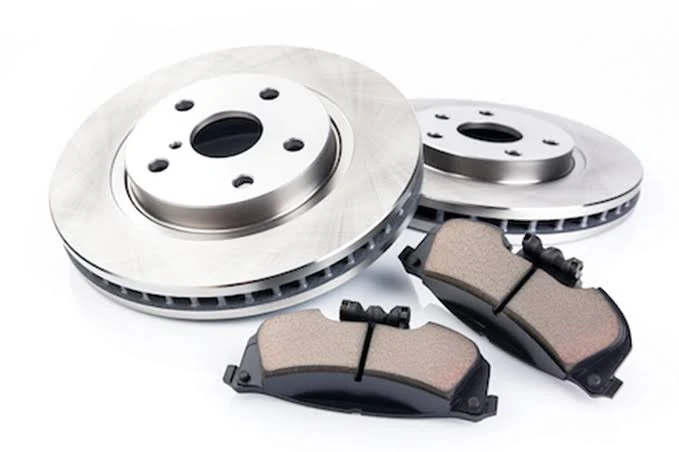
Rotors and pads are a coupled system. Aggressive pad compounds increase wear and heat; select rotor material and design to tolerate the selected compound's friction characteristics. For replacement pads sold as a system, request test matrixes that show stopping distance, wear rates and fade characteristics across pad grades.
Testing and quality assurance buyers should request
- Dimensional inspection reports showing run-out and thickness tolerances.
- Material certificates and, where relevant, metallurgical test results.
- Fatigue and thermal-cycling test summaries or third-party lab reports.
- Traceability documentation for batches and heat numbers.
- Process certifications such as ISO 9001 and automotive-specific IATF 16949 when available.
Comparison table: buyer evaluation criteria for high performance rotors
| Criterion | What to request / accept | Buyer implication |
|---|---|---|
| Material / Grade | Cast iron grade and chemical spec; request material certs | Affects thermal fatigue life and wear compatibility |
| Thermal capacity / mass | Provide rotor dimensions and mass; ask supplier for thermal test summaries | Higher capacity reduces fade but increases unsprung mass |
| Surface finish | Specify µ-in surface roughness or supplier standard; verify break-in procedure | Impacts bedding, noise and initial braking feel |
| Run-out and TTV | Require measured run-out and thickness-variation certificates per batch | Direct impact on NVH and pad wear |
| Coating / corrosion protection | Coating type and test data (salt spray adhesion if required) | Important for service life in corrosive environments |
| Certifications & traceability | ISO/IATF certificates, batch traceability documentation | Reduces supplier risk; required for regulated fleets |
| Price & lead time | Request container-volume pricing and standard lead-times | Use for total-cost comparison including logistics |
Installation, break-in and in-service checks
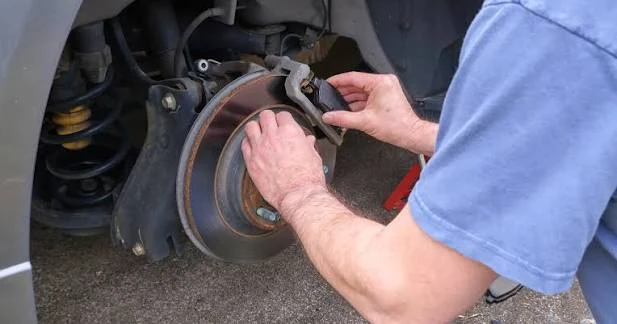
Follow supplier break-in (bedding) procedures to stabilize pad-rotor contact. During routine maintenance, monitor rotor thickness against minimum service thickness and check for thermal cracks, hot spots or warpage. For high-duty applications, implement scheduled inspections after heavy events (towing, track days).
Sourcing high performance rotors from China: Quality Standards, MOQ & Container Logistics
Common documentary and quality expectations when sourcing from China include: supplier quality management certificates (ISO 9001, IATF 16949 where applicable), material test certificates, batch traceability and third-party test reports for fatigue and thermal cycling. In markets subject to European regulations, UNECE R90 (brake discs and pads) may apply — confirm applicability for your territory.
MOQ and packaging: typical MOQs for aftermarket or fleet rotors often fall in the low hundreds per SKU (for example, ~200–1,000 pieces), but MOQ varies by supplier and design complexity. Many manufacturers accept mixed-container loads (multiple SKUs in one container) to optimize costs; confirm palletization, labeling and packing lists in advance.
Export logistics and lead times: production lead-times commonly range from a few weeks for stocked items to 4–8 weeks for production runs; with export documentation and ocean freight, total lead time to the U.S. is often 6–12 weeks depending on routing and port congestion. Typical port terms offered are FOB at major Chinese ports — Qingdao or Ningbo are frequently used examples; confirm the exact port and INCOTERMS with your supplier.
Documentation to request before shipment: commercial invoice, packing list, Bill of Lading / AWB, material certificates, inspection reports and any required conformity declarations. For regulated procurement, include vendor quality agreements and agreed acceptance criteria in the purchase order.
Evaluating suppliers and manufacturer audits
Conduct supplier audits focused on process control for machining, heat treatment, balancing and coating steps. Review sample inspection data, request straight-run sample sets for independent lab testing, and agree acceptance criteria for run-out, TTV and coating adhesion. For critical fleets, arrange pre-shipment inspection (PSI) or third-party laboratory validation.
Conclusion and next steps
Selecting high performance rotors requires balancing thermal capacity, material durability and manufacturing tolerances against vehicle dynamics and total cost of ownership. For buying teams: define duty cycles, specify measurable acceptance criteria (run-out, TTV, material certs), and request container-volume quotations with confirmed lead-times.
Next step: prepare a technical RFQ with required dimensional tolerances, material certificates and testing requirements, then request container-volume pricing and sample parts for independent verification. China Brake Factory can assist with supplier shortlisting and coordination of pre-shipment inspections.
Discuss your brake parts program
Share your OE references, quantities, destination market and packaging requirements for a factory review.
Request a quotation
Connect with our export team
Scan or use the channels below for product and quotation support.