OEM Brake Pads for Honda — China Factory-Direct Guide
Practical B2B guide to sourcing OEM brake pads for Honda — fitment, materials, vendor QA, inspection checkpoints, and China factory-direct logistics including MOQ, certifications, lead times, and port options.
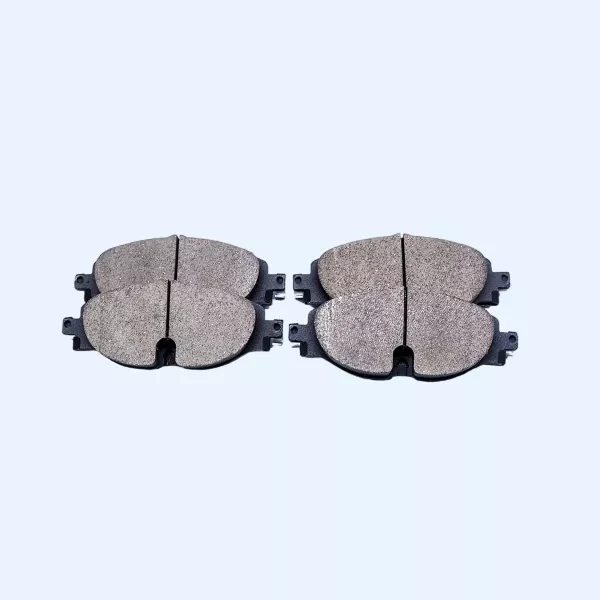
Quick Summary: OEM brake pads for Honda give specification-matched fit and predictable NVH and wear when supplied to OEM tolerances; commercial buyers should require PPAP/quality records and dynamometer friction reports before acceptance. For bulk fleet procurement and commercial distribution, sourcing factory-direct container shipments from certified Chinese manufacturers provides 30–40% landed cost savings with full export compliance.
Why choose OEM brake pads for Honda?
For fleet managers and aftermarket distributors, "OEM" brake pads mean components manufactured to a vehicle maker's design and acceptance criteria. The primary buyer benefits are correct dimensional fit, intended friction material formulation (for the vehicle’s weight and brake system), and component compatibility with electronic sensors and hardware. That reduces installation rework and customer returns compared with generic aftermarket kits.
Materials & performance considerations
Pad materials and trade-offs
OEM suppliers commonly produce ceramic, semi-metallic, or low-metallic formulations depending on application and model year. Each material class balances friction stability, dust generation, noise (NVH), and rotor wear. Do not accept material claims without:
- Manufacturer-supplied material declaration and SDS (safety data sheet).
- Dynamometer friction test reports across temperature ranges and duty cycles.
- Evidence of bond strength (backing plate-to-lining) and heat resistance testing.
Fitment and hardware
Verify that backing plates, shimning, clips, and wear sensor pockets align exactly to the OE part number. Request dimensional inspection reports (DDT) and sample confirmation by test-fit on representative vehicles or calipers.
Inspection and quality control checklist for buyers
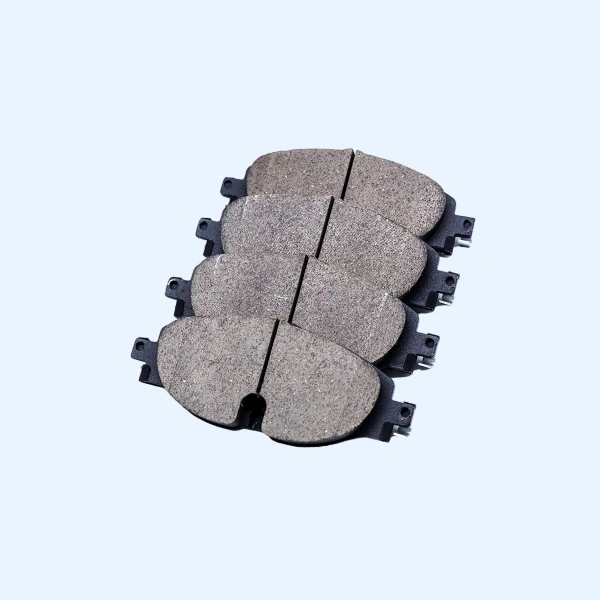
When evaluating suppliers, include these inspection steps in your procurement contract or inspection plan:
- Incoming material certificates and SDS for friction materials and adhesives.
- Dimensional verification: critical thickness, pad curvature, channel/slot geometry.
- Bond shear tests and cross-section checks for adhesive curing.
- Dynamometer friction and fade tests; ask for raw data and test protocols.
- Hardness and porosity sampling on bonded linings.
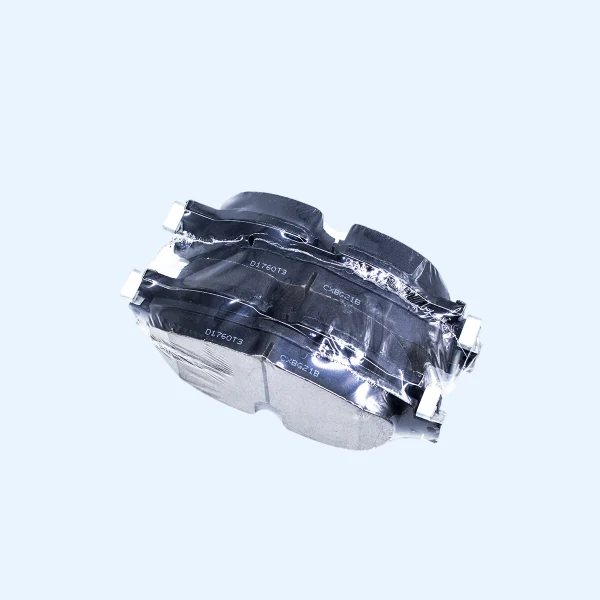
- Batch traceability marking and packaging inspection by lot.
- Pre-shipment inspection (PSI) with photographic evidence and measurement records.
Buyer evaluation table: what to request and why
| Evaluation criterion | What to request from supplier | How to judge |
|---|---|---|
| OE fitment | Part number confirmation against Honda OE and sample test-fit report | Exact OE match or documented engineering drawing approval |
| Friction material | Material formulation, SDS, and dyno friction reports | Consistent friction behavior across operating temps; request data rather than numeric claims |
| Bonding & backing | Adhesive specification, bond shear test reports, backing plate metallurgical data | Demonstrated bond strength and corrosion protection on backing plate |
| Noise & NVH | Noise test results, shim design details, sample road test notes | Low complaint history and supplier-provided NVH mitigation details |
| Certifications & traceability | Quality management certificates; batch traceability policy; PPAP documentation | IATF/ISO processes in place and ability to submit PPAP on request |
| Packing & labelling | Box configuration, pairs per box, lot coding, export packaging photos | Secure packaging suitable for container shipment and distribution barcoding |
Sourcing oem brake pads for honda from China: Quality Standards, MOQ & Container Logistics
When procuring factory-direct from Chinese manufacturers, require documented quality systems and test reports. Typical documentation to request:
- IATF 16949 or ISO 9001 certificate copies for the manufacturing site.
- Material Safety Data Sheets (SDS) and any RoHS/REACH declarations needed for your market.
- PPAP (Production Part Approval Process) submission and sample approval records for OEM-class supply.
- Dynamometer test results, bond strength tests, and batch traceability records.
MOQ and volume handling: OEM production usually operates at SKU-level batches. Buyers commonly see MOQs that range by supplier and complexity; request supplier confirmation and ask about mixed-container consolidation if you need multiple SKUs in one container. Typical container options are 20ft and 40ft; confirm usable palletization and box counts with the supplier.
Export lead times vary with sample approval and PPAP. Common schedules are: samples in 1–3 weeks, PPAP and production validation 2–6 weeks, and serial production 4–10+ weeks depending on capacity and tooling status. Always confirm current lead times and capacity in writing. Preferred shipping terms for many buyers are FOB (named Chinese port); confirm the specific port (for example, Qingdao or Ningbo) and transit options with the supplier to align with your logistics plan.
Supplier qualification and contractual protections
Include APQP milestones, first article inspection (FAI), non-conforming goods procedures, and warranty/return terms in the supply agreement. Define acceptance criteria for wear and friction and retain the right to third-party verification on pre-shipment samples or production lots.
Installation, warranty and aftermarket support
Request installation instructions, torque specs for hardware where applicable, and any necessary warnings for break-in procedures. For fleet purchasers, negotiate spare parts availability, lead times for replenishment, and a defined RMA process for defective lots.
Conclusion and next steps
OEM brake pads for Honda can reduce field failures and aftermarket returns when the supplier can demonstrate OE-level controls, material traceability, and dynamometer data. For an actionable next step, request a supplier packet that includes IATF/ISO certificates, PPAP documentation, SDS, dyno reports, and a quote that lists MOQ and mixed-container options so you can compare landed costs and lead times.
For procurement assistance, request site audits, third-party inspections, and an initial sample order to validate fit and performance before committing to full production volumes.
For bulk fleet procurement and commercial distribution, sourcing factory-direct container shipments from certified Chinese manufacturers provides 30–40% landed cost savings with full export compliance.
China Brake Factory — contact us to request supplier pre-qualification packets and to arrange sample testing.
Discuss your brake parts program
Share your OE references, quantities, destination market and packaging requirements for a factory review.
Request a quotation
Connect with our export team
Scan or use the channels below for product and quotation support.