OEM Brake Pads for Toyota — China Factory-Direct Guide
Comprehensive B2B guide to sourcing OEM brake pads for Toyota: fitment, material choices, quality checks, and China factory-direct procurement logistics for fleet and distributor buyers.
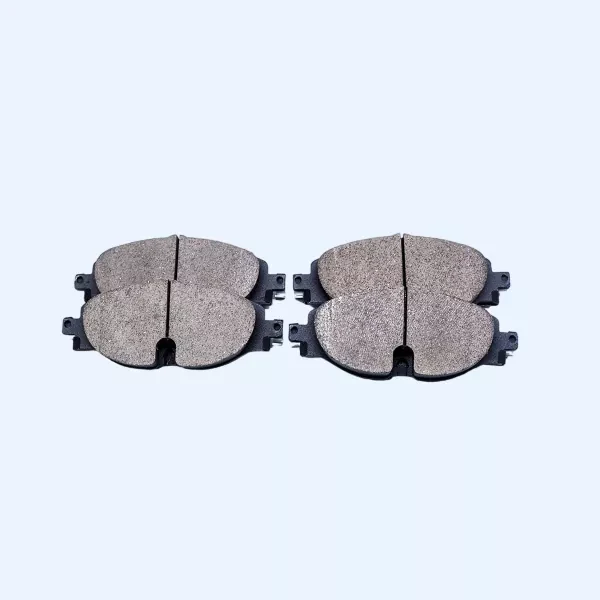
Quick Summary: OEM brake pads for Toyota are replacement friction assemblies manufactured to match original fit, backing-plate geometry and specified friction characteristics — buyers should verify supplier test reports for friction curves, wear life and NVH. For bulk fleet procurement and commercial distribution, sourcing factory-direct container shipments from certified Chinese manufacturers provides 30–40% landed cost savings with full export compliance.
What "OEM" means for Toyota brake pads and when to specify them
In B2B procurement language, "OEM brake pads for Toyota" typically refers to pads made to original equipment fitment and performance characteristics — either by the vehicle maker's supplier or by a licensed aftermarket producer using matching designs. For commercial buyers (fleets, distributors, repair chains), the objective is consistent fit, repeatable friction performance and predictable wear life across lots. When specifying, require explicit fitment cross-reference to the Toyota part number(s) for each application and supplier validation of pad geometry, clip locations and sensor provision where applicable.
Material types, applications and buyer trade-offs
Common friction compound families used in OEM-equivalent pads are semi-metallic, ceramic (or low-metallic ceramic), and non-asbestos organic (NAO). Each has trade-offs:
- Semi-metallic: robust heat handling and common for heavier-duty or high-load applications; may produce more dust.
- Ceramic/low-metallic: smoother feel, lower dust and good NVH performance for passenger Toyota models; often preferred for consumer-facing replacements.
- Organic/NAO: quieter and softer on rotors but generally shorter wear life under heavy use.
Specify the compound family that matches your service profile and request supplier friction and wear test data performed to an agreed protocol.
Testing, specifications and what to request from suppliers
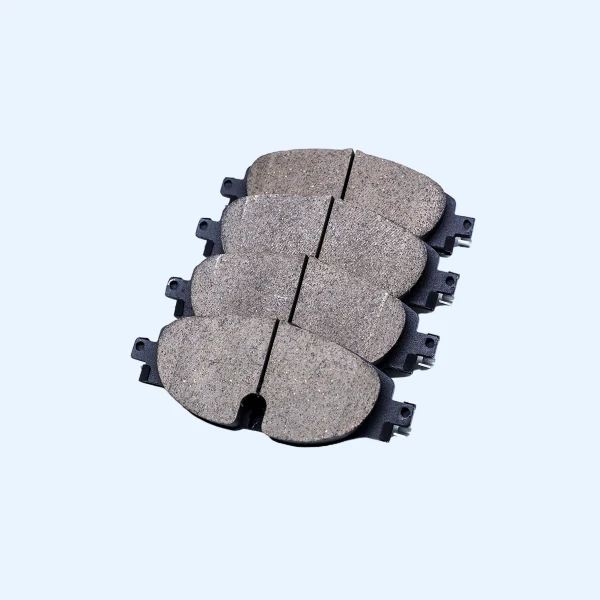
Do not accept generic claims alone. Ask suppliers for:
- Detailed fitment drawings or measured templates linked to Toyota part numbers.
- Friction performance data showing dynamic friction vs. temperature and applied pressure; include test method and lab accreditation.
- Wear-cycle test procedures and results (lab or in-vehicle cycle test) so you can compare life expectancy between compounds.
- NVH test results and any on-vehicle noise mitigation features (shims, chamfers, bonding agents).
- Material Safety Data Sheets (MSDS) for friction formulations and ROHS/REACH declarations where applicable for your markets.
Supplier evaluation checklist
When qualifying sources, evaluate:
- Quality system certifications (ISO 9001 and, for automotive suppliers, IATF 16949 where available).
- Third-party test reports and the test lab's accreditation status.
- Inspection and acceptance criteria for incoming shipments (lot traceability, dimensional inspection, hardness checks, weight-per-pad sampling).
- Sample policy and on-site audit willingness; request production-process flow and controls for friction mixing, molding/pressing and curing.
Comparison table — buyer evaluation criteria for OEM brake pads for Toyota
| Criteria | What to request / typical buyer assessment |
|---|---|
| Fitment accuracy | Supplier-supplied CAD/drawing and template verification to Toyota part number; sample-fit on referenced hub/knuckle strongly advised. |
| Friction compound | Declare compound family (ceramic, semi-metallic, NAO) and request formulation summary and MSDS. |
| Friction performance | Provide dynamic friction curve and test method; compare lab reports rather than accepting nominal statements. |
| Wear life | Request cycle-life testing protocol and results; if unavailable, ask for fleet reference data or quote independent testing. |
| NVH and dust | Request noise test results and visual dust/durability reports; assess need for shims or extra NVH measures. |
| Coatings & plate quality | Specify backing-plate thickness, anti-corrosion coating and bonding method for pad-to-plate adhesion. |
| Certifications & reports | Ask for ISO/IATF certification copies, lab accreditation and any applicable UNECE R90 test reports for markets that require it. |
| Warranty & claims | Document warranty period, return/inspection workflow and chargeback policy for defective lots. |
| Lead time & MOQ | Request factory lead time per SKU and MOQ options (see procurement section below). |
Sourcing oem brake pads for toyota from China: Quality Standards, MOQ & Container Logistics
For China factory-direct procurement, request copies of the supplier's ISO 9001 and, where available, IATF 16949 certificates as primary indicators of automotive-quality management. For replacement brake pads shipped into regulated regions, buyers commonly request UNECE R90 compliance reports when selling into markets that enforce R90. CE marking is not a replacement for automotive testing but may apply to ancillary packaging or related accessories; request material declarations (RoHS/REACH) and MSDS for compounds. DOT does not certify friction materials, but DOT-relevant documentation may be necessary for brake assemblies or hydraulic parts—confirm with your compliance team.
Typical MOQ guidance for brake pads in B2B sourcing is often in the range of 500–2,000 pairs per SKU for production runs; many factories offer mixed-container LCL or FCL consolidation where multiple SKUs are combined into a full 20' or 40' container to reduce per-SKU unit cost. Production lead times commonly range from 6–10 weeks after order confirmation depending on complexity and seasonal load; add 2–6 weeks for ocean transit and customs clearance depending on the destination port and incoterm. For port terms, buyers frequently use Qingdao or Ningbo as example load ports when confirming export schedules with suppliers, but confirm the supplier's nominated port and transit options in writing.
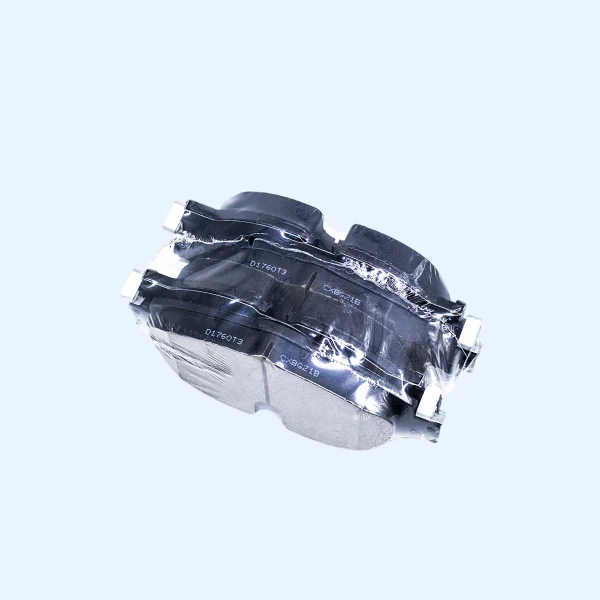
Ask your supplier for a packed sample shipment and a clear export packing list, plus agreed inspection checkpoints (pre-shipment inspection, random lot sampling). For pricing, request container-volume quotes and allow for tooling or mold amortization on specific pad shapes; for smaller orders, confirm sample and airfreight costs upfront.
Documentation to obtain before finalizing an order
- Factory quality certificates (ISO 9001, IATF 16949 if available).
- Material Safety Data Sheets and chemical declarations.
- Lab test reports with method descriptions and lab accreditation.
- Packing list, commercial invoice, and export declaration; confirm Incoterm and port of loading (e.g., Qingdao or Ningbo as examples).
- Traceability plan and lot numbering scheme for after-sales claims.
Receiving inspection and aftermarket support
On arrival, perform dimensional checks against master templates, sample friction performance checks where possible, and document batch numbers. Maintain a hold-back sample from each lot for comparative wear testing if claiming warranty. Agree a clear RMA and failure analysis process with the supplier before placing the first production order.
Conclusion and next steps
For fleet or distributor purchasing of OEM brake pads for Toyota, prioritize suppliers that provide detailed fitment documentation, accredited test reports and an auditable quality system. Start with sample validation and a small mixed-container pilot to confirm fit, friction characteristics and logistical flows before scaling to full-volume runs.
To proceed: request supplier quotations that include part-number cross-references, lab-test attachments, MOQ options, and FOB/CIF quotes for container volumes. Ask for projected lead times tied to confirmed tooling schedules and a written warranty and RMA policy.
Next step: Request a formal supplier data pack (fitment drawings, lab reports, MOQ and container pricing) and schedule a sample verification before placing first production orders.
Discuss your brake parts program
Share your OE references, quantities, destination market and packaging requirements for a factory review.
Request a quotation
Connect with our export team
Scan or use the channels below for product and quotation support.